
Competition Teams
Competition is where skills become real.
Deadlines, constraints, teammates, and a real scoreboard — competition turns classroom skills into engineering habits.
Not every child starts on a team — and that’s by design.
Most students build fundamentals in the regular program first. When a student is ready — in skills, teamwork, and commitment — a team assessment is the natural next step. No pressure, and no tryout drama.
The Tracks
Four tracks, one team culture.
Each track matches an age band and a competition format. Coaches recommend the right one at assessment.
RoboBattle Cup Series
G1-G4
Rules, teamwork, mission thinking, and friendly competition for younger builders.
FLL Challenge
G4-G8
A research project, robot missions, and team presentation — engineering plus communication.
VIQRC
G4-G8
VEX IQ engineering: driver and autonomous matches, teamwork scores, and constant iteration.
V5RC
G8-G12
Advanced design, programming, iteration, driving, leadership, and season strategy.
On the Field
Where the season ends up.
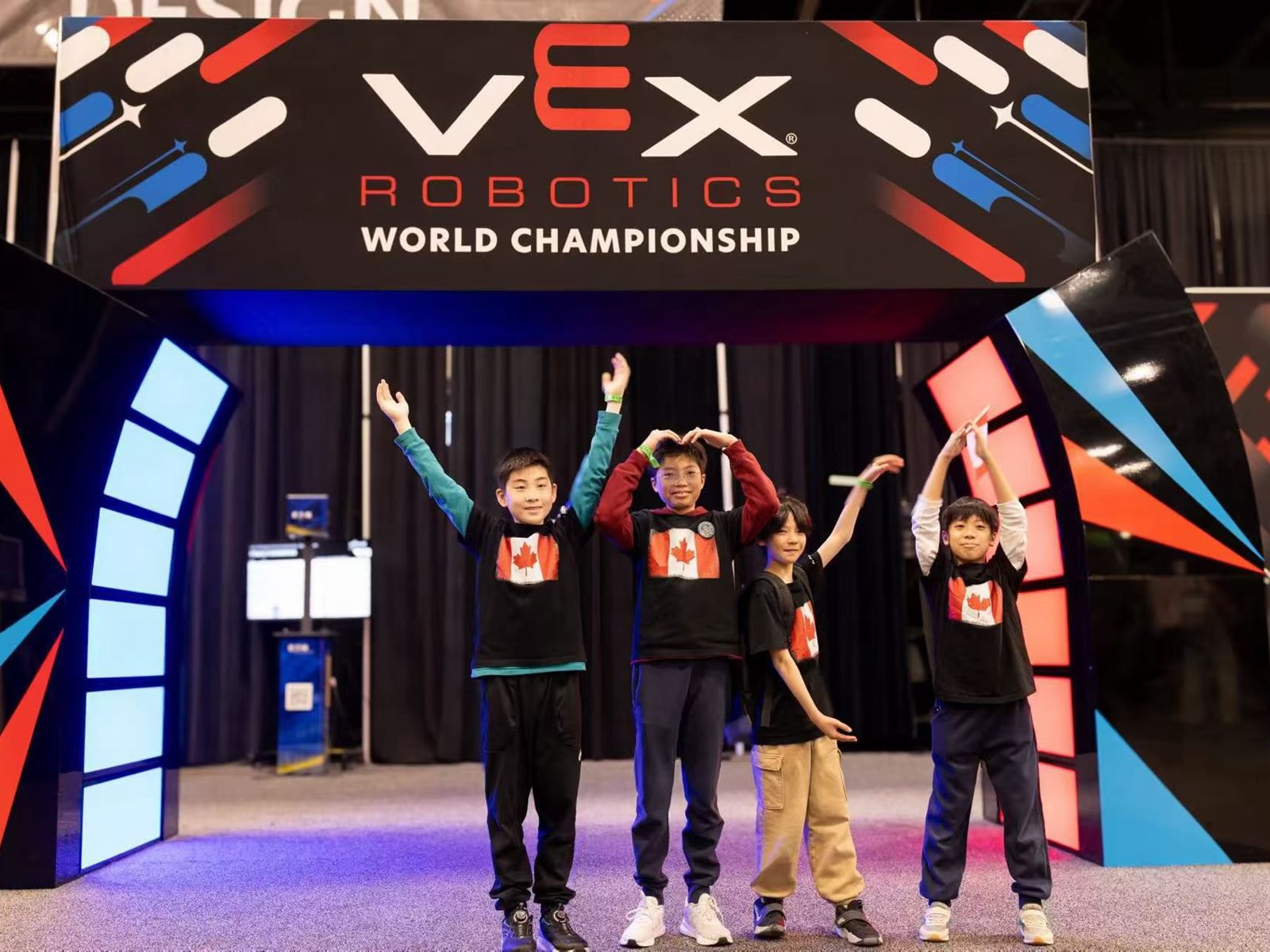
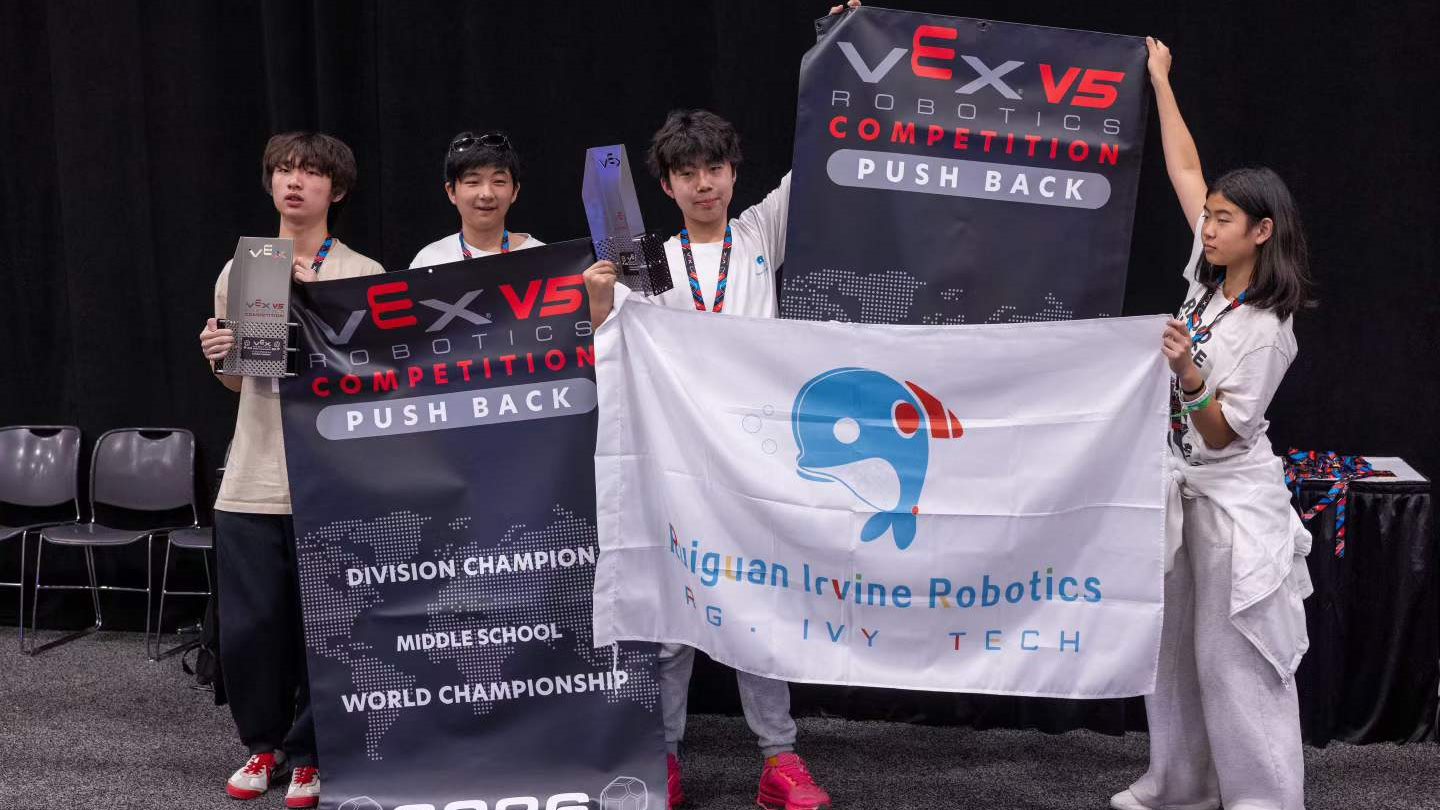
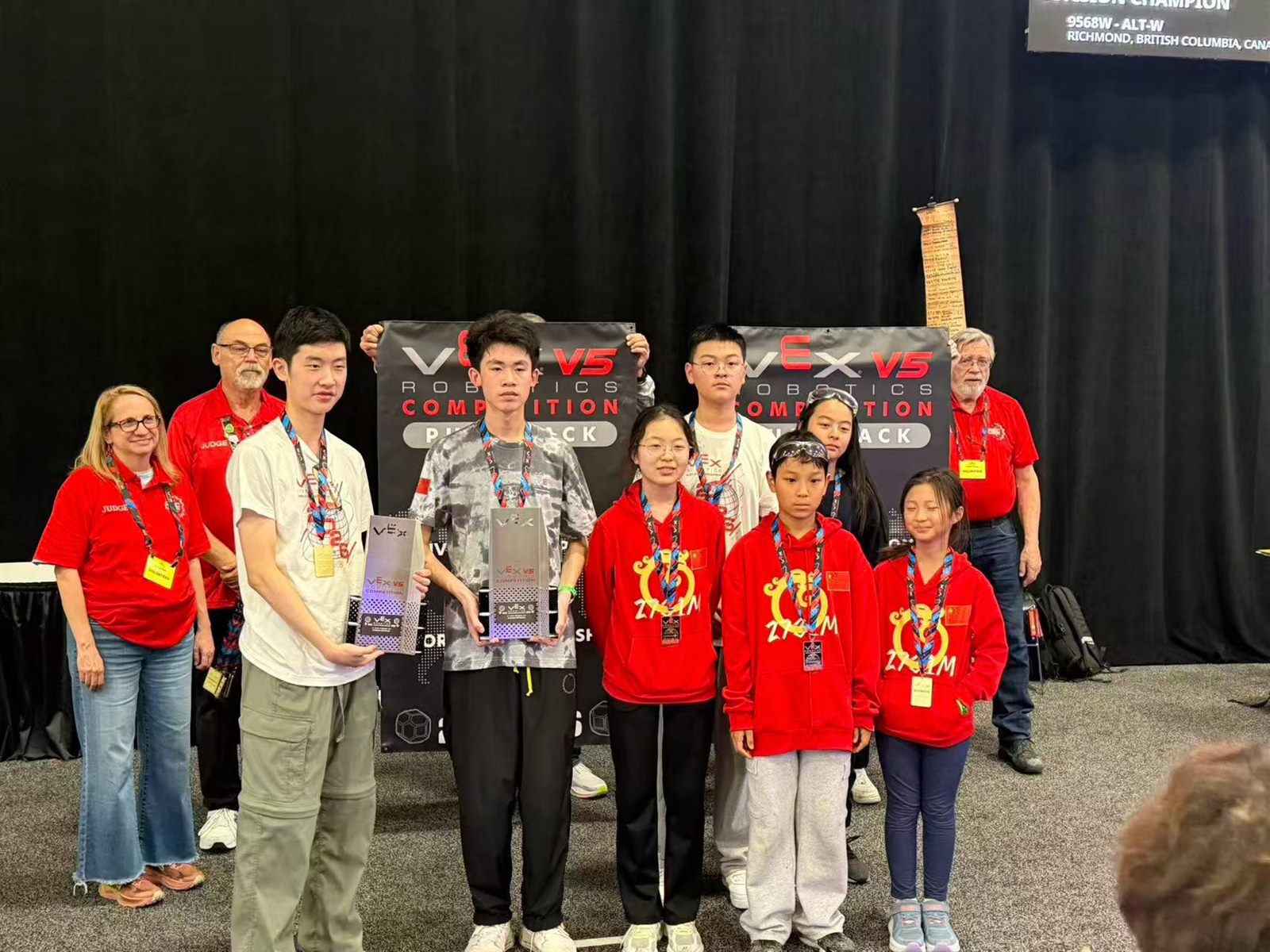
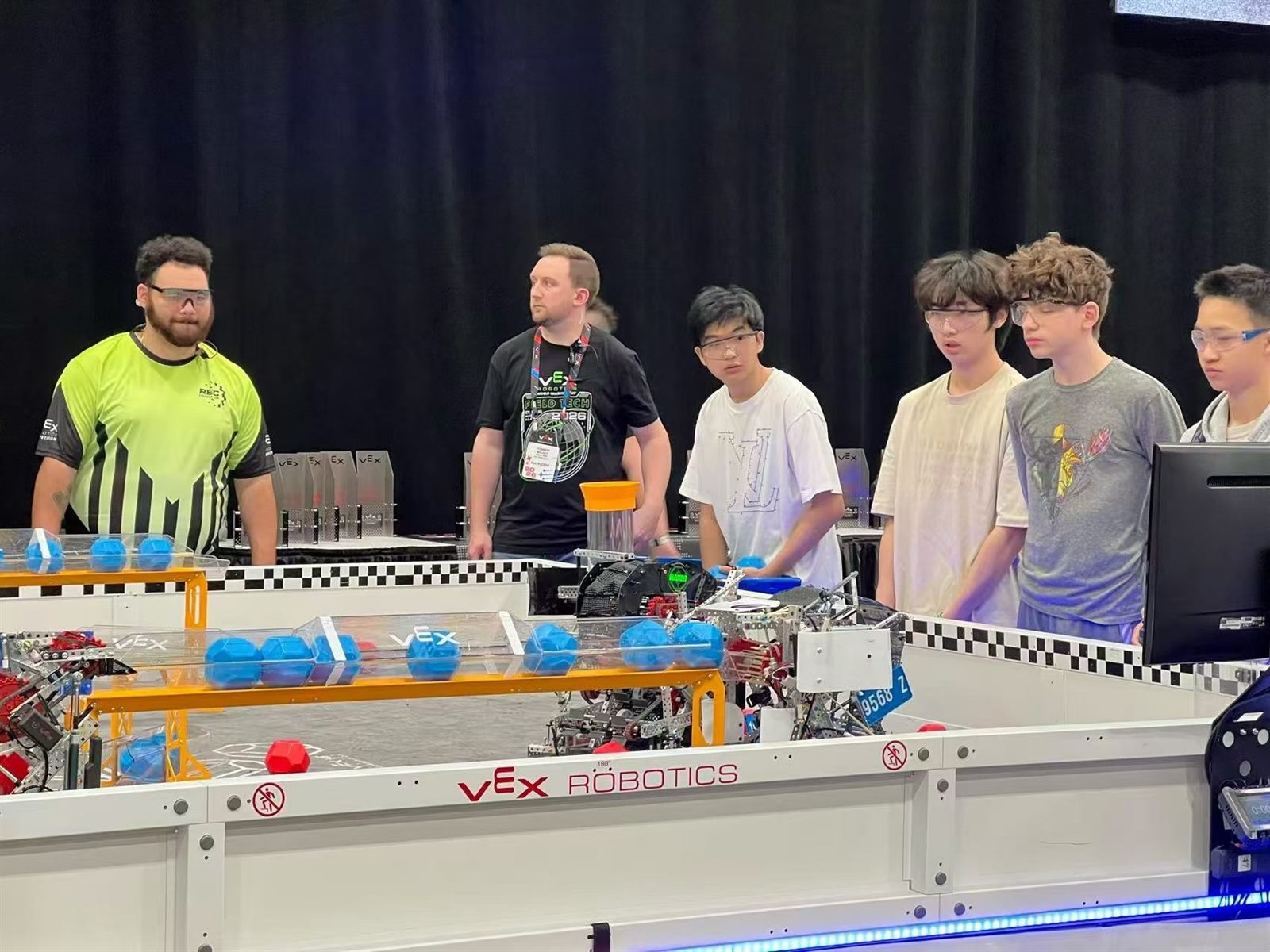
Our teams competed through the 2025–26 season to the VEX World Championship in Dallas — here’s what that looks like.
Selection
What coaches look for.
Five things — and none of them are trophies.
Attendance
Teams practice on a schedule — showing up is the baseline.
Fundamentals
Stage-appropriate building and programming skills.
Teamwork
Sharing a robot means sharing decisions.
Attitude
Losing a match and going back to the notebook.
Commitment
A season is months, not weeks — from the student and the family.
The Season
How a season flows.
-
Assessment
A short, friendly readiness check.
-
Training
Regular team practice with coached roles.
-
Scrimmage
Friendly matches to test under real conditions.
-
Competition
Official events across the season.
-
Review
What worked, what’s next — every season ends with a debrief.
The Commitment
What it takes — from both sides.
Teams ask more of a family than weekly classes do. Here’s the honest picture.
What families commit to
From your side
- Regular practice attendance through the season.
- Tournament days — some fall on weekends.
- Encouragement at home when a build fails. It will.
- Season logistics and fees — discussed openly at assessment.
What RoboPlanet provides
From ours
- A coached role suited to each student.
- A structured season plan — training, scrimmages, events.
- Guidance on registrations and event logistics.
- A debrief every season — progress parents can see.
Ready to see if a team fits?
Apply for a team assessment — a short, friendly readiness check. No season commitment until you say yes.